A Comprehensive Look at Specialized Treatments for Better Health
The pursuit of optimal health is often viewed through the lens of nutrition, cardiovascular fitness, and mental well-being. However, one of the most vital components of a healthy life is often hidden in plain sight: the mouth. Oral health is not merely about a bright smile; it is a critical gateway to systemic wellness. Research has increasingly shown that the condition of our teeth and gums can influence or reflect conditions as varied as heart disease, diabetes, and even cognitive decline. The mouth is essentially the primary entry point for the rest of the body, and the bacteria that flourish there can easily enter the bloodstream, travel to distant organs, and potentially trigger inflammatory responses.
Understanding the complexity of modern dental science is the first step toward taking control of your longevity. We no longer live in an era where dental care is limited to “drilling and filling.” Today, specialized treatments offer sophisticated ways to preserve natural anatomy, restore lost function, and enhance the psychological well-being that comes with a confident appearance. This guide explores the multifaceted world of advanced oral care, providing a roadmap for those looking to integrate professional dental excellence into their broader health strategy. By viewing oral care as a pillar of preventive medicine rather than a cosmetic luxury, we can fundamentally improve our health outcomes.

Establishing a Consistent Home Care Routine
To maintain a healthy oral environment, mechanical biofilm removal is the most critical task you perform daily. Plaque is a sticky, colorless film of bacteria that constantly forms on teeth; if left undisturbed, it produces acids that dissolve tooth structure and irritate the soft tissues of the mouth. A robust home routine focuses on disrupting this film every twelve hours to prevent calcification into tartar, which cannot be removed by simple brushing.
Best Practices for Mechanical Disruption
- The Science of Brushing: Use a soft-bristled brush at a 45-degree angle toward the gum line. This specific angle ensures the bristles can reach slightly beneath the tissue, where bacteria tend to congregate and cause gingivitis.
- The Flossing Philosophy: Traditional string is excellent, but for those with wider gaps or orthodontic appliances, interdental brushes or water-flossing devices can provide a more thorough cleaning of the “hidden” surfaces of the teeth that a brush simply cannot reach.
- Chemical Adjuncts: Therapeutic mouthwashes containing essential oils or cetylpyridinium chloride can provide an extra layer of protection by reducing the overall bacterial load in the mouth, though they should never replace physical scrubbing.
- Tongue Cleaning: Many people overlook the tongue, which harbors a significant percentage of oral bacteria. Using a dedicated scraper can significantly improve breath quality and reduce the bacterial count.
Why Professional Oversight Matters Yearly
Even with impeccable home care, there are areas of the mouth that are physically impossible to clean with a toothbrush or floss. Over time, minerals in your saliva harden plaque into calculus (tartar). This substance is porous and provides a perfect scaffolding for more bacteria to grow. This build-up can only be removed by a professional dentist using specialized ultrasonic or hand instruments.
These annual or bi-annual visits are not just about cleaning; they are comprehensive diagnostic sessions. Your dentist uses digital imaging and tactile exams to screen for early signs of oral cancer, bone loss, and structural micro-fractures that are invisible to the naked eye. By catching these issues in their infancy, you avoid the need for more invasive, expensive treatments later on. Furthermore, your provider can assess your “bite” or occlusion, ensuring that your jaw joints are not under undue stress that could lead to chronic headaches or tooth wear.
Making the First Visit Fear-Free and Educational
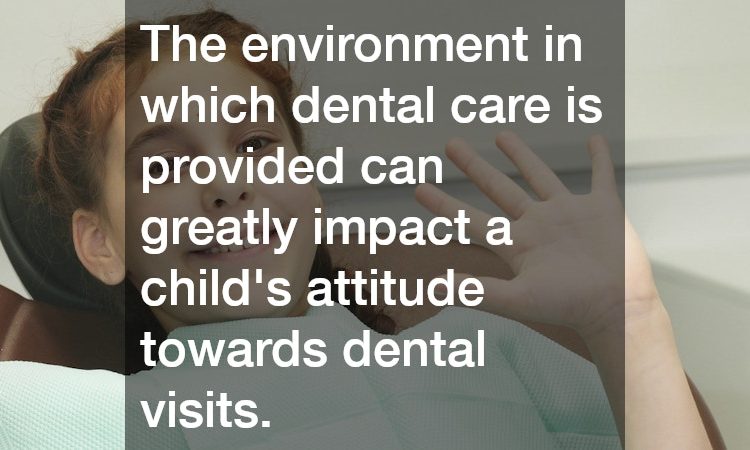
Childhood is the most formative period for oral health, both clinically and psychologically. The goal of early intervention is to monitor the development of the jaw and the eruption pattern of primary teeth, which serve as essential “space maintainers” for the permanent teeth to come. A pediatric dentist focuses on more than just clinical outcomes; they are specifically trained in child psychology and behavioral management to ensure that the dental office is perceived as a safe, helpful environment.
Creating a Child-Friendly Environment
- Positive Reinforcement: High-quality clinics use “Tell-Show-Do” techniques. This involves explaining the tool in kid-friendly terms (like a “tooth vacuum”), showing how it works on a finger or a doll, and then performing the task.
- Sensory Management: Many offices designed for children include overhead televisions, bright colors, and smaller instruments that don’t feel as intimidating as standard adult tools.
- Early Education: Teaching a child how to brush effectively is a team effort. The provider works with the parent to establish a routine that makes hygiene feel like a standard part of the day rather than a chore.
Preventing Decay During Growth Spurts
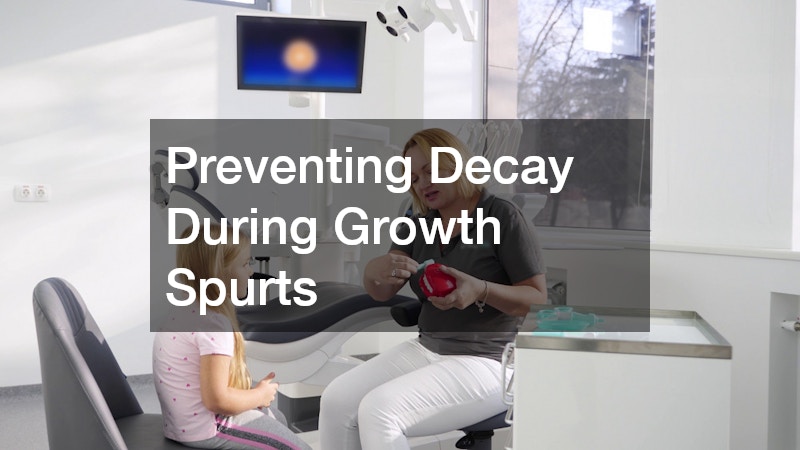
As children transition from primary to permanent teeth, their anatomy changes rapidly. A kids dentist often recommends protective measures such as dental sealants—thin plastic coatings painted onto the chewing surfaces of back teeth—to block out food and acid from the deep grooves where most childhood cavities start.
Because children are still refining their motor skills, they often lack the dexterity required to clean the very back of their mouths. Having a dedicated kids dentist oversee their progress ensures that any missed spots in their hygiene routine are identified and corrected. They can also monitor habits such as thumb-sucking or tongue-thrusting, which can have long-term effects on tooth alignment and palate shape.
Saving the Natural Tooth Structure Under Pressure
When decay or trauma reaches the innermost part of the tooth, known as the pulp, the body responds with inflammation and intense pain. The pulp contains nerves and blood vessels, and once it becomes infected, the body cannot heal it on its own. In the past, this usually meant the tooth had to be removed. However, a root canal is a sophisticated endodontic procedure designed to save the natural tooth structure.
During this process, the infected pulp is carefully removed from the center of the tooth and down into the roots. The canals are then meticulously cleaned, sterilized with antimicrobial solutions, and filled with a biocompatible material called gutta-percha. This seals the tooth from the inside out, preventing future bacterial invasion. Despite its reputation, a modern root canal is typically no more uncomfortable than a standard filling, thanks to advanced local anesthetics and microscopic technology that enable extreme precision.
When Preservation is No Longer an Option
In some instances, despite our best efforts, a tooth may be so severely fractured, decayed, or the bone support so diminished by gum disease that keeping it would jeopardize the health of the entire jaw. In these cases, tooth extractions are the most responsible clinical choice. Removing a diseased tooth eliminates the source of infection and prevents the bacteria from entering the bloodstream or spreading to adjacent teeth.
Modern tooth extractions are performed with a focus on “socket preservation.” This involves being as gentle as possible with the surrounding bone and, in many cases, placing a bone graft into the empty socket. This ensures that the surrounding bone remains thick and healthy enough to support future restorative options, such as an implant. Maintaining bone height stability is crucial for preserving your natural facial contours and preventing the “sunken” look often associated with tooth loss.
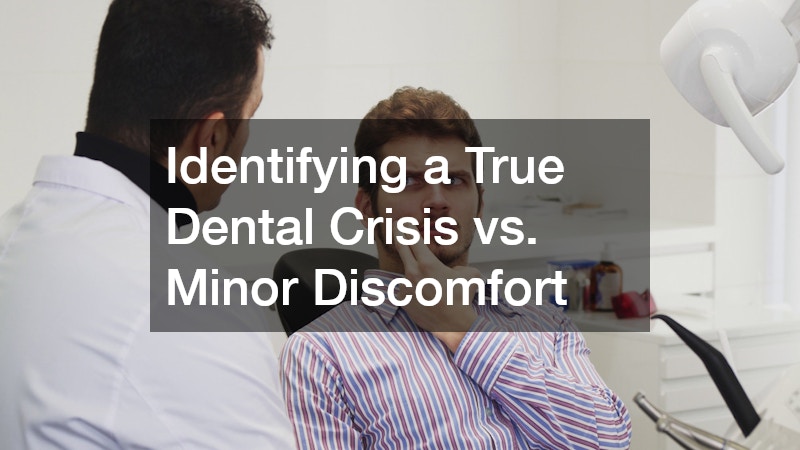
Identifying a True Dental Crisis vs. Minor Discomfort
Dental emergencies rarely occur during business hours; they often happen during sports, meals, or late at night. Understanding what constitutes a true crisis can save your smile and your bank account. Significant trauma, such as a tooth being knocked out or a jaw being fractured, requires immediate emergency dental care. Other signs of a crisis include facial swelling that affects your breathing or vision, and a persistent, throbbing pain that cannot be managed with over-the-counter medication.
Common Urgent Scenarios
- The Avulsed Tooth: If a permanent tooth is knocked out, the clock is ticking. You have about a 60-minute window to reach a provider for the best chance of successful reimplantation.
- Abscesses: A “pimple” on the gums is a sign of a localized infection that needs emergency dental care. If left untreated, the infection can spread to the spaces of the head and neck, becoming a life-threatening situation.
- Structural Fractures: A crack that extends below the gum line can be incredibly painful and may lead to tooth loss if not stabilized immediately.
Immediate Steps to Take After Oral Trauma
While waiting for professional help, managing the mouth’s environment is key. If a tooth is knocked out, pick it up by the crown (the white part), never the root. Rinse it gently with water—do not scrub it—and try to reinsert it into the socket. If that’s not possible, keep it in a container of cold milk or a dedicated tooth-preservation solution. For pain and swelling, rinse with warm salt water and apply a cold compress to the outside of the cheek. Never place aspirin directly on the gums, as its acidity can cause a chemical burn to the delicate soft tissue, complicating the eventual treatment.
Customizing Your Smile Architecture
The field of aesthetics focuses on the harmony between the teeth, gums, lips, and facial features. A cosmetic dentist acts as both an engineer and an artist, using digital smile design and 3D modeling to project how different changes will affect a patient’s overall appearance. This process is highly collaborative; the provider listens to the patient’s goals and then applies clinical principles, such as the “golden proportions,” to ensure the length and width of the teeth match the patient’s unique facial structure.
A cosmetic dentist doesn’t just look at color; they look at the “axial inclination” (the angle of the teeth) and the “gingival zenith” (the highest point of the gum line). These subtle details are what differentiate a “fake” looking smile from one that looks like a naturally perfect set of teeth. Beyond the visual benefits, correcting misalignments or worn edges can improve the way the teeth meet, reducing the risk of jaw pain (TMJ) and further wear.
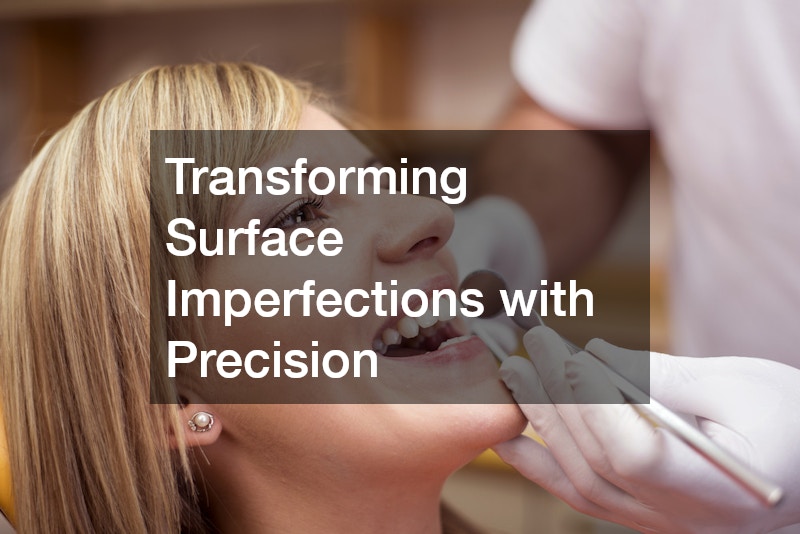
Transforming Surface Imperfections with Precision
For patients with permanent staining, chips, or slightly crooked teeth that don’t require full orthodontic treatment, porcelain veneers offer a transformative and durable solution. These ultra-thin shells are custom-crafted in a specialized dental laboratory to fit over the front surface of the natural teeth.
Because veneers are made from high-quality ceramic, they mimic the light-reflecting properties of natural enamel, giving them a depth and translucency that is indistinguishable from real teeth. They are also highly resistant to future staining from coffee, tea, or wine. The process usually involves two appointments: one to prepare the teeth and take impressions, and a second to bond the final restorations. Once in place, they become part of the tooth structure, providing a permanent boost to both the aesthetics and the strength of the smile.
Long-Term Stability with Permanent Tooth Roots
When a tooth is lost, the biological consequences are more significant than just a gap in the smile. The jawbone in that area begins to atrophy (shrink) because it no longer receives the mechanical stimulation of a root. Dental implants are the only replacement option that addresses this biological issue at the source. An implant consists of a titanium or zirconia post that is surgically placed into the bone, where it undergoes a process called osseointegration.
Over several months, the bone actually grows into and around the implant, creating a bond as strong as a natural root. Once fused, dental implants serve as a permanent foundation for a custom crown. This solution lets you eat, speak, and smile with total confidence, knowing the replacement won’t slip or click. Furthermore, because the implant stimulates the bone, it helps maintain the natural shape of your jawline and protects the health of the surrounding teeth.
Bridging the Gap in Your Dental Arch
If surgery is not an option due to medical reasons or bone density issues, dental bridges provide a reliable, time-tested way to replace a missing tooth. A bridge uses the healthy teeth on either side of a gap as anchors (abutments) to support a prosthetic tooth (pontic) in the middle. The entire unit is cemented into place, making it a fixed restoration that does not need to be removed for cleaning.
Beyond the aesthetic benefit, dental bridges are vital for maintaining the alignment of your bite. Without a replacement, neighboring teeth will naturally tilt into the empty space, and the teeth in the opposite arch may “super-erupt” (move toward the gap). This shifting can lead to “malocclusion,” which causes uneven wear, muscle strain, and potential issues with the jaw joint. A bridge restores the “stop” in the bite, ensuring that forces are distributed evenly across the entire arch during chewing.
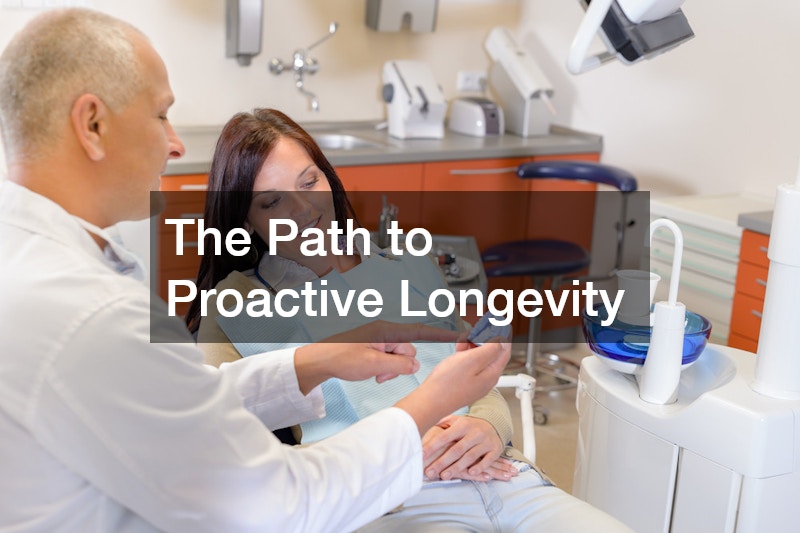
The Path to Proactive Longevity
Modern dentistry is an expansive field that combines high-tech engineering with delicate artistry. The shift from reactive care (fixing things when they hurt) to proactive care (building a healthy system) is the most important transition a patient can make. This involves understanding that every specialist—from the endodontist saving a tooth to the periodontist protecting the bone—is part of a larger team dedicated to your systemic health.
When we consider the total cost of healthcare over a lifetime, the value of maintaining a healthy mouth becomes clear. Managing chronic inflammation in the gums can reduce the risk of heart complications, and maintaining a full set of teeth ensures that you can continue to eat a varied, nutritious diet well into your senior years. The specialized treatments discussed here are not just interventions; they are investments in your future quality of life.
Actionable Steps for Your Next Visit
To get the most out of your professional care, consider these tips:
- Ask for the “Why”: If a treatment is recommended, ask how it contributes to your long-term bone or tissue health, not just the immediate fix.
- Review Your Imaging: Ask your provider to show you your X-rays or intraoral photos so you can see what they see. This helps build a visual understanding of your oral anatomy.
- Discuss Your Goals: Whether you want to focus on preventing sensitivity or improving the look of your smile, clear communication with your dental team ensures your treatment plan is customized to your life.
Embracing a Future of Total Oral Vitality
The journey toward a healthier life is a continuous process of education and proactive care. By understanding the various branches of modern dentistry—from the preventive foundation laid in childhood to the sophisticated restorative and aesthetic options available to adults—you can make informed decisions that benefit your entire body. A healthy mouth supports clear speech, efficient digestion, and a confident presence in the world.
Investing in specialized care is not just about fixing problems as they arise; it is about designing a future where your smile remains a functional, beautiful asset. Whether you are navigating an urgent situation or planning a long-term aesthetic transformation, the tools and expertise available today are more effective and comfortable than ever before. Take the next step in your wellness journey by prioritizing your oral health as a vital component of your total physical and mental well-being. Keeping your natural teeth for a lifetime is no longer rare; with the right specialized care, it is a reachable goal for everyone.