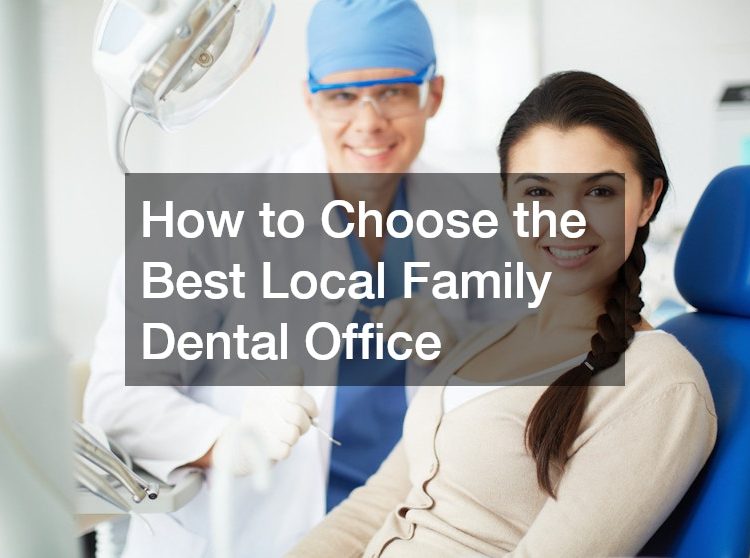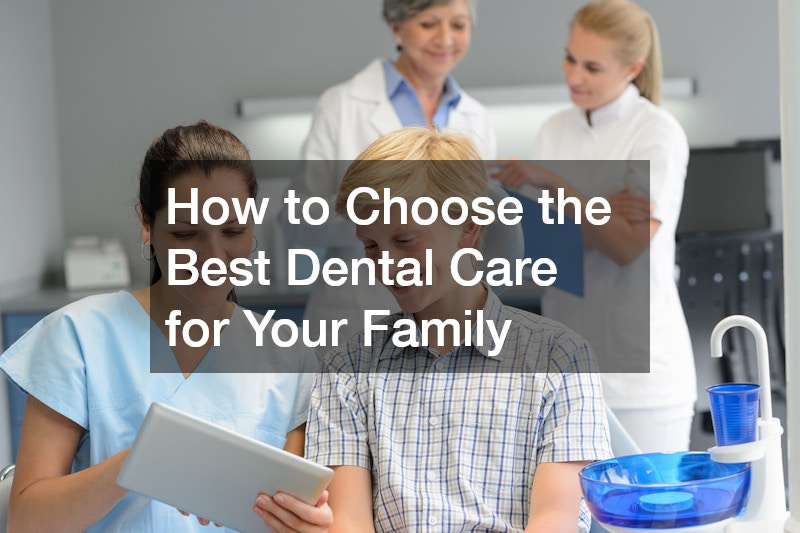
Choosing the right healthcare partner is one of the most significant decisions you can make for your household’s long-term well-being. Among the various medical specialties you interact with, oral health providers play a uniquely consistent role in your life. Unlike specialists you might visit only during an isolated medical event, oral health practitioners are professionals you and your loved ones will ideally see multiple times a year for decades. This ongoing relationship means that your choice impacts not only your physical health but also your comfort, your financial peace of mind, and your overall quality of life.
The process of selecting a new practice can frequently feel overwhelming. The modern healthcare market is crowded with various clinics, each claiming to offer the best diagnostic tools, the most comfortable amenities, and the highest level of patient care. Sifting through marketing claims to find a genuinely compassionate, highly skilled professional requires a systematic approach. By evaluating potential practices based on clinical scope, technological adoption, geographic convenience, and communication styles, you can confidently select a provider that will safeguard your family’s smiles for generations to come.
1. Assessing the Needs of Every Generation in Your Household

When you begin your search for a lifelong oral health partner, the first step is to thoroughly audit the specific requirements of everyone in your home. A household with toddlers has vastly different clinical needs compared to a home with teenagers requiring orthodontic evaluations, or empty-nesters focusing on restorative longevity. Finding a practice capable of seamlessly managing these shifting dynamics saves you from the logistical headache of driving to multiple offices across town.
Experienced family dentists excel in managing these diverse generational milestones within a single clinical ecosystem. For younger children, the primary goal is building a positive association with clinical environments, monitoring early jaw development, and applying preventative sealants. For adult patients, the focus shifts to maintaining periodontal health, managing structural wear, and identifying systemic issues like sleep apnea or oral cancer during routine checks. When interviewing prospective family dentists, ask how they adapt their behavioral management styles for anxious children or elderly patients with mobility challenges. A practice that truly understands multi-generational care will have a physical environment and a staff cadence that accommodates everyone comfortably.
2. Understanding the Foundation of Preventative Oral Health
While specialized procedures frequently capture the public’s attention, the true backbone of any excellent clinical practice is its commitment to routine preventative maintenance. Preventative treatments keep minor issues from evolving into painful, expensive structural problems down the road. When evaluating a new office, you want to ensure that their baseline diagnostic and cleaning protocols are thorough, unhurried, and deeply educational.
Highly qualified general dentists prioritize patient education and comprehensive diagnostics above all else. During a baseline examination, a top-tier provider will not simply look for obvious decay; they will evaluate your bite alignment, analyze the health of your gum tissue, and utilize advanced digital imaging to catch underlying structural shifts. They should take the time to sit with you, display your diagnostic images on a screen, and explain exactly what they see. If a practice feels like an assembly line where you rarely interact with the primary practitioner, or if cleanings feel rushed, it may be a sign that the office prioritizes volume over individualized patient wellness.
3. Exploring Advanced Aesthetic Enhancements
A healthy smile is structurally vital, but its impact on your self-esteem and social confidence cannot be overstated. Over time, many individuals find themselves wishing to correct minor cosmetic imperfections, such as structural misalignment, deeply set stains, or irregular tooth shapes. If aesthetic improvements are a priority for anyone in your household, it is wise to select a practice that features robust cosmetic capabilities built directly into their service menu.
Partnering with an experienced local cosmetic dentist ensures that any aesthetic upgrades you pursue are designed with your overall structural health in mind. True cosmetic artistry goes far beyond superficial fixes; it requires an intricate understanding of facial symmetry, bite mechanics, and material sciences. During an initial aesthetic consultation, an expert clinician will assess how changes to your smile will affect your long-term bite stability and joint comfort. They will offer a personalized treatment plan that respects your natural anatomy while safely guiding you toward your visual goals.
4. Evaluating Brightening and Surface Restoration Options
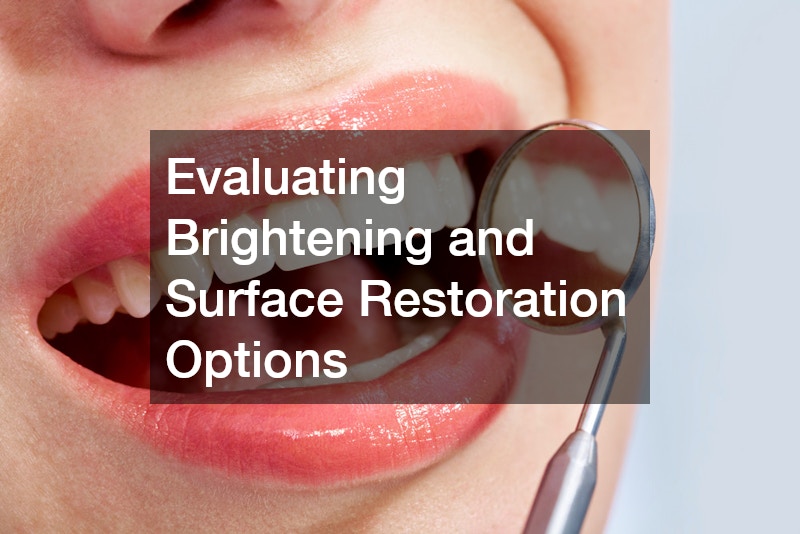
Among the most frequently requested aesthetic upgrades is the reversal of surface discoloration caused by aging, dietary habits, or certain medications. While drugstore shelves are overflowing with over-the-counter brightening strips, pastes, and gels, these mass-market solutions often provide inconsistent results and can lead to severe structural sensitivity if misused.
Professional teeth whitening systems administered under clinical supervision offer a dramatically safer and more efficient alternative. When you discuss brightening options with a prospective clinic, look for an office that offers both customized take-home trays and accelerated in-office treatments. A skilled clinical team will carefully evaluate the root cause of your discoloration before beginning treatment, as internal staining requires a completely different approach than external surface stains. Furthermore, they can prescribe specific desensitizing protocols to ensure your treatment remains entirely comfortable throughout the process.
5. Preparing for Unexpected Structural Dental Emergencies
No matter how meticulous your daily hygiene routine is, unexpected accidents can happen at any moment. A sudden fall on the playground, a sports mishap, or a hard piece of food can instantly compromise the structural integrity of an otherwise healthy tooth. In these stressful moments, knowing exactly who to call can make the difference between saving or permanently losing a tooth.
When a crisis occurs, having a plan for treating chipped teeth quickly is incredibly reassuring. A high-quality dental practice will reserve specific slots in their daily schedule explicitly for same-day emergency triage. When research prospective offices, ask their administrative team how they handle after-hours structural emergencies and what their baseline protocol is for urgent pain management. A practice that treats structural emergencies with genuine urgency demonstrates a deep commitment to the continuous safety and physical comfort of their patient community.
6. Researching Long-Lasting Tooth Reinforcements
When a tooth experiences significant decay or structural trauma that cannot be resolved with a simple composite filling, more substantial structural reinforcement becomes necessary. Preserving your natural tooth root structure is always the preferred clinical outcome, as it maintains jawbone health and natural chewing mechanics.
The most common and effective solution for a severely compromised tooth is the placement of a custom-fabricated dental crown. Modern restorative materials, such as high-grade dental porcelain and zirconia, allow these protective caps to mimic the light-reflecting properties and strength of natural enamel perfectly. When choosing a clinic, inquire about their restorative workflow. Practices utilizing advanced digital scanning can often eliminate the need for messy, uncomfortable traditional impression materials, resulting in a more precise fit and a far more comfortable patient experience.
7. Analyzing Permanent Tooth Replacement Technologies
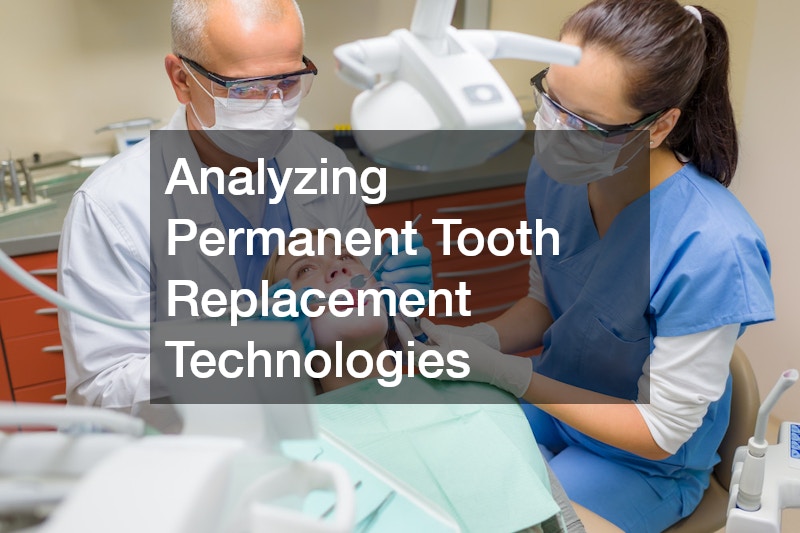
In cases where a tooth cannot be saved due to extensive decay, advanced periodontal disease, or severe structural trauma, replacing that missing unit becomes essential for protecting the alignment of the remaining teeth. Leaving a gap in your smile allows neighboring teeth to shift out of place, altering your bite alignment and potentially leading to joint pain or accelerated wear on your remaining enamel.
For individuals seeking the gold standard in permanent tooth replacement, exploring dental implants in georgetown tx offers an exceptionally durable, natural-feeling solution. Unlike traditional bridges or removable dentures, a modern implant replaces both the visible tooth structure and the underlying root. This structural integration stimulates the jawbone, actively preventing the bone loss that naturally occurs after a tooth is extracted. When evaluating a provider for this advanced treatment, ensure they possess comprehensive training in both the surgical placement of the implant post and the final artistic creation of the replacement tooth.
8. Locating Regional Expertise and Community Practices
As suburban communities expand rapidly, finding top-tier clinical care right in your local neighborhood has become much easier. Long commutes and heavy traffic can create unnecessary psychological barriers to scheduling routine checkups, meaning that geographic proximity plays a major role in how consistently your family maintains their oral health appointments.
For families residing in rapidly growing North Austin suburbs, building a relationship with a trusted dentist in liberty hill tx brings incredible logistical convenience without sacrificing clinical quality. Local community practices often provide a warm, personalized environment where the staff recognizes you by name and understands the unique lifestyle factors of your community. Finding an exceptional clinical team close to your home or your children’s schools makes it significantly easier to stick to your recommended biannual cleaning schedule and manage sudden emergencies calmly.
9. Examining Office Environment and Patient Comfort Protocols
Clinical skills and advanced credentials are foundational, but the actual human experience of sitting in the clinical chair matters immensely. Dental anxiety is an incredibly common challenge that prevents millions of individuals from seeking the timely care they desperately need. A truly exceptional practice recognizes this reality and goes to great lengths to cultivate a tranquil, non-judgmental environment.
The way a modern dentist interacts with their patients can completely redefine your relationship with oral healthcare. When you step into a prospective office for the first time, take note of the sensory environment. Is the waiting area chaotic and sterile, or is it calming and thoughtfully designed? Does the clinical team speak to you with patience, addressing your questions thoroughly, or do they appear rushed and defensive? A practice that incorporates gentle touch, clear explanations, and modern comfort amenities like noise-canceling headphones or sedation options demonstrates that they view you as a complete human being, not just a set of clinical problems to solve.
10. Reviewing Financial Policies and Administrative Scheduling

The final piece of the selection puzzle involves evaluating the operational and administrative aspects of the practice. Even the most talented clinician can become a source of frustration if their front office is disorganized, their scheduling hours conflict with your work life, or their billing practices are completely opaque.
Long-term success in maintaining your family’s oral wellness requires a clear alignment on how dental care is scheduled, coded, and paid for over time. Look for an office that provides transparent, written cost estimates prior to initiating any significant treatment plan. Their administrative staff should be highly proficient in navigating insurance benefits, maximizing your employer coverage, and offering flexible internal or third-party financing structures for extensive treatments. Furthermore, look for practices that offer family block scheduling, which allows multiple members of your household to be seen during the same afternoon, minimizing your trips to the clinic.
Selecting the ideal oral health provider is a profound investment in your family’s lifelong health, confidence, and comfort. By taking a structured approach to your search, you transform what could be a stressful guessing game into an empowering, logical choice. Remember to look beyond flashy marketing and focus heavily on the metrics that truly matter: comprehensive generational services, a transparent financial philosophy, robust emergency availability, and a compassionate, patient-centered communication style.
Your oral health needs will inevitably evolve over the coming years, but the peace of mind that comes from having a trusted, highly skilled clinical partner by your side will remain constant. Take your time, schedule preliminary consultations, ask the insightful questions outlined in this guide, and choose a practice that feels like a true partner in your overall physical wellness. Your family’s smiles are well worth the effort of finding a clinical home where they will be genuinely valued and protected for decades to come.
By committing to this diligent selection process, you are doing far more than simply checking a box on your medical to-do list; you are actively establishing a protective foundation for your household’s systemic well-being. The ideal clinical relationship is built entirely on a mutual foundation of trust, clear clinical transparency, and continuous education. As you finalize your decision, take pride in knowing that the efforts you invest today will pay dividends in the form of bright, pain-free smiles and stress-free appointments for many years to come. Your family deserves a clinical home that treats their health with the utmost respect.